One workspace, configured for the people and the work.
Start with an outcome and the people responsible for it. Configure private assistance, shared knowledge, agents, connected tools, and permissions around that work. Use the same platform for an internal team, a client engagement, or an initiative that continues over time.
A team improving customer onboarding brings its process notes and recurring questions into the workspace. A practitioner joins as a participant. Together they turn that material into an agreed workflow, a staff guide, and a maintained record of decisions. Configured agents handle the recurring steps, and people review the work that needs their judgment.
When the engagement ends, the workspace stays with the client: the workflow, the guide, and the record remain usable by the people who own the work. An example of how the platform is used, not a customer case study.
The private assistant
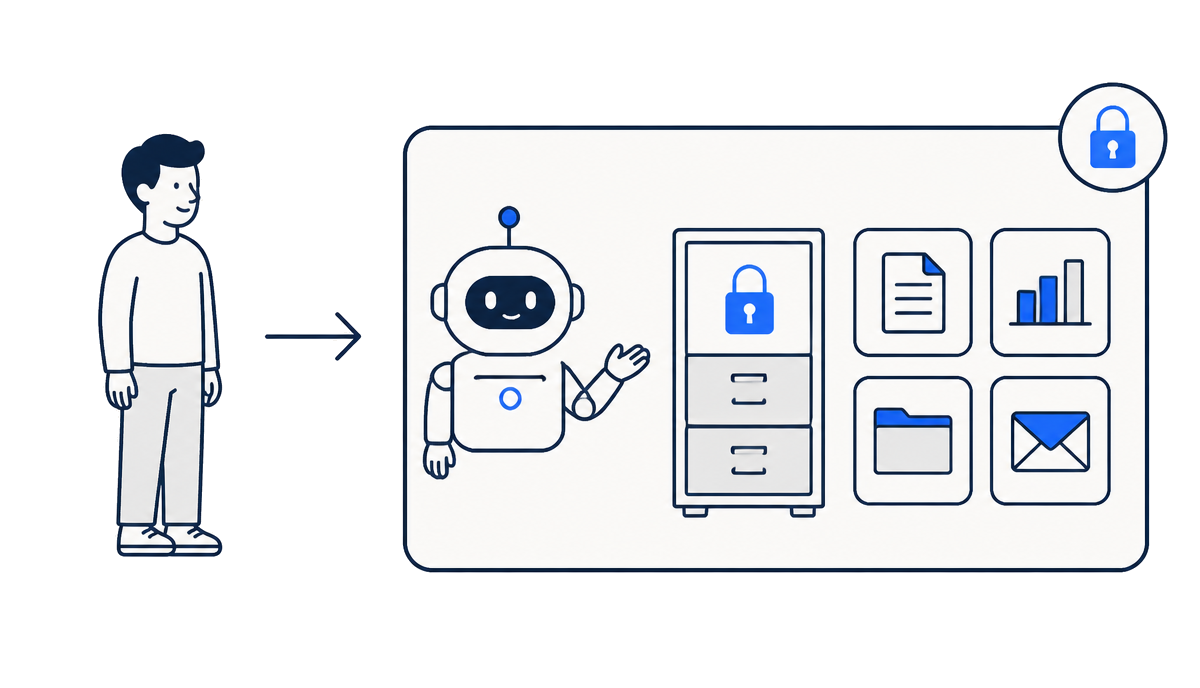
Private context that belongs to the person.
The Thinktank
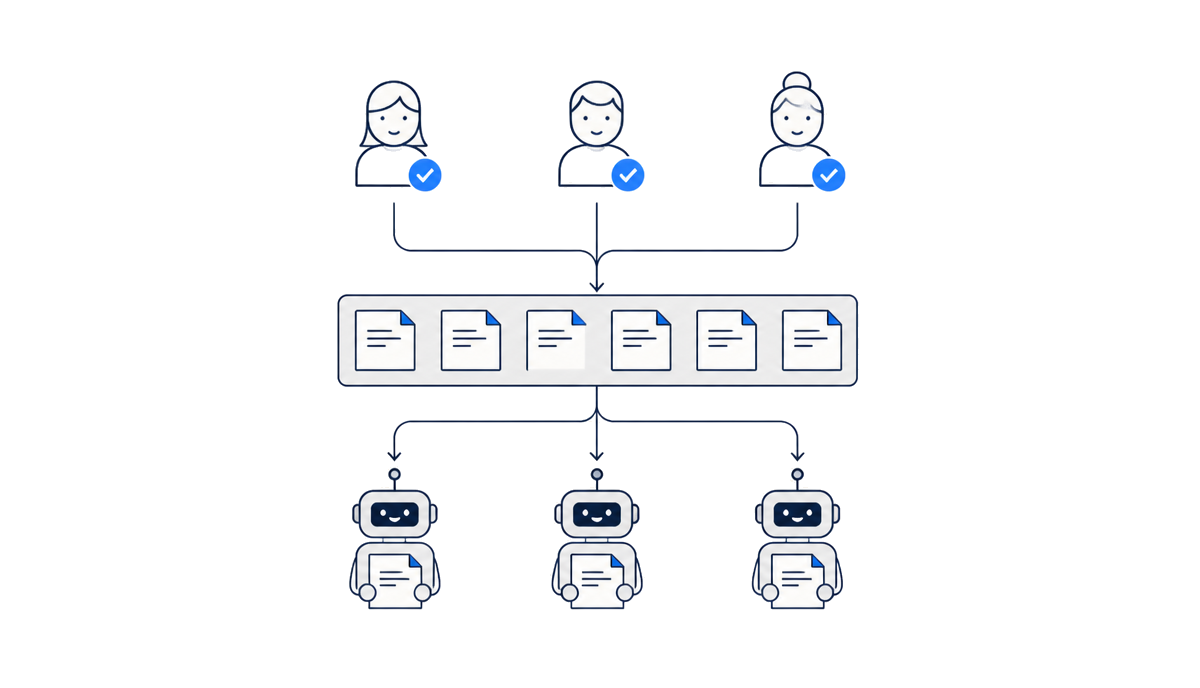
Approved knowledge the organization keeps.
Governed AI agents
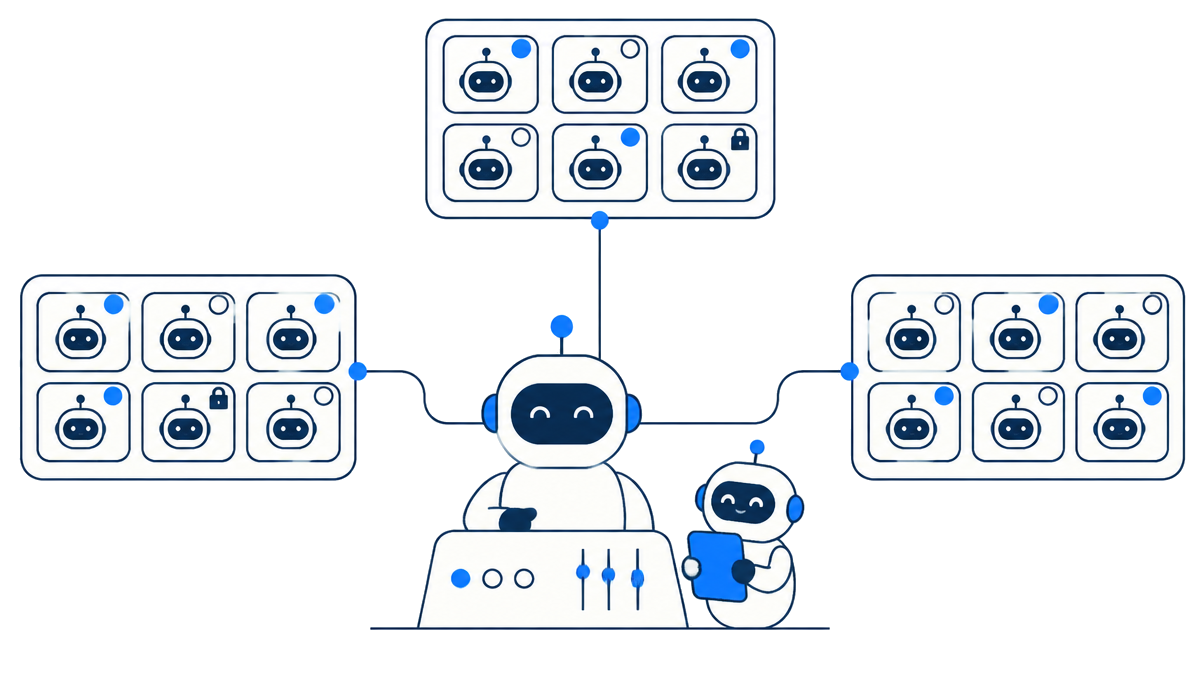
Delegated work with evidence at the end.
The private assistant
A personal amplifier that actually knows you.
When someone joins the organization, they get an AI assistant that is genuinely theirs. It carries its own memory of their work, their conversations, and their context. Private by default, the way a personal notebook is private.
- Per-person memory of work, decisions, and preferences
- Private by default
- Grows into an amplifier of the specific work that person does
- Follows the person across the AI tools they already use
The Thinktank
A shared mind the organization owns.
Alongside each private assistant sits the Thinktank: the organization's knowledge commons. When your personal work produces something worth keeping, your assistant offers to share it with the team. It drafts a short note. You read the exact text. Only your explicit yes publishes it, attributed to you.
- Only work outputs you approved enter the commons, never whole conversations
- AI cannot write to the shared memory on its own
- Contributions are recalled automatically by every teammate's assistant, attributed by name
Governed AI agents
A fleet of intelligent workers described in plain language.
An administrator describes the outcome they want in plain language. Three distinct roles carry it out: the Conductor controls the work, Agent Fleet contains it, and Attexa governs the moment it becomes consequential action.
Conductor controls the work
- Defines or configures the agent
- Delegates assignments
- Schedules recurring work
- Monitors status and requests attention
Agent Fleet contains the work
- An isolated execution environment for each active worker
- Durable workplace state preserved across individual runs
- The approved model route assigned by the organization
- The declared network and data-access posture applied
- Bounded, long-running, and scheduled work supported
Attexa governs consequential action
- Evaluates actions at the boundary: allowed, needs a human, or denied
- Brings in a named human when policy requires one
- Produces signed evidence through Attexa Witness
- What the AI did becomes a lookup, not an investigation
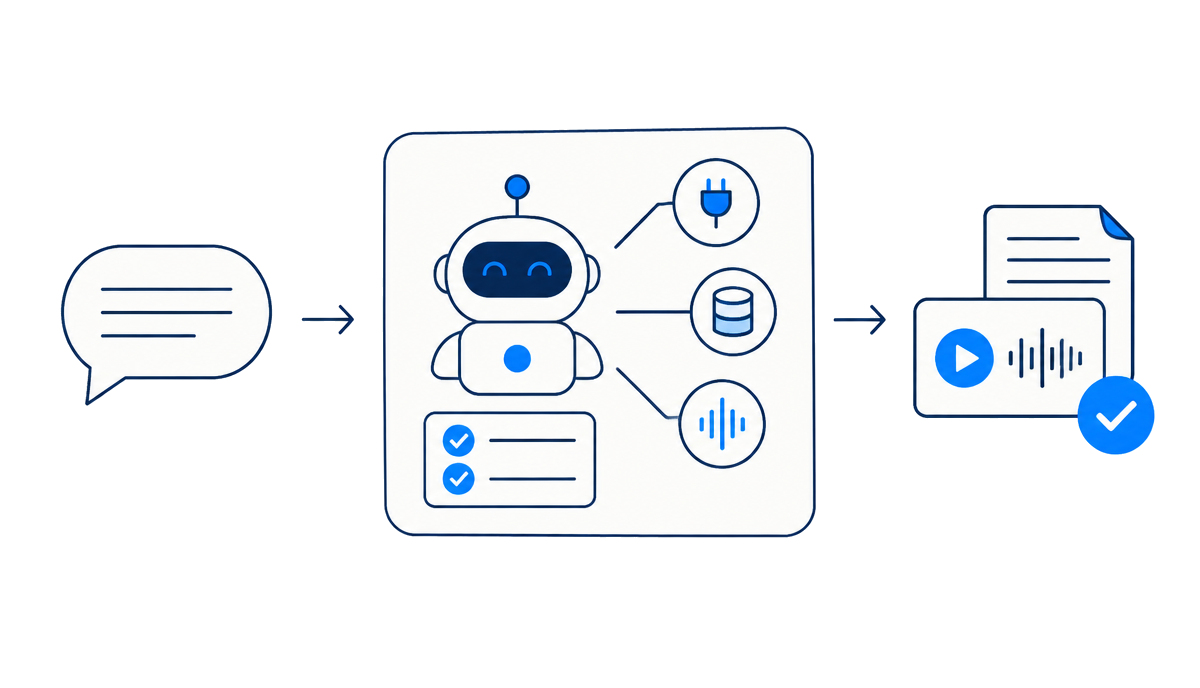
Agent Anything handles a wide range of work directly. Attexa Arc is for the work that is easier to govern, run, and review when it has its own dedicated space.
Some projects involve sensitive data, multiple participants, long timelines, specialized tools, or a boundary separate from day-to-day traffic. In those cases, an Arc workspace gives the work its own environment while keeping it connected to the organization's ongoing AI operation.
Build or rebuild something
Product requirements, existing code, competitive research, and multiple specialist agents produce a working codebase, tests, documentation, and launch materials. The output is real work product, not a brief.
Sensitive or regulated work
A dedicated operating boundary controls which participants may enter, which data they may see, which models may process it, which tools may be used, and what evidence must be retained.
Ongoing or long-running operations
Work that continues for hours or days, is revisited repeatedly, runs on a schedule, is steered while in progress, and survives individual sessions and participants.
Work can live in Agent Anything, or it can live in an Arc workspace when having its own environment is useful. Results come back into Agent Anything so the organization keeps the context.
Bring your own AI models.
The models are interchangeable. Swap vendors, run several at once, or self-host later. Your accumulated knowledge, assistants, and evidence travel intact.
The same holds for tools. See the current list of verified connectors in the release notes.
Connect your existing AI platforms
 Claude
 ChatGPT
 Gemini
 Grok
 OpenCode
Bring us one thing you'd like to make easier.
We'll help you find a useful place to start, shape the setup around your team, and show you how to carry it forward.