Memory that doesn't reset
A short look at how Agent Anything remembers, and what "durable" actually means here.
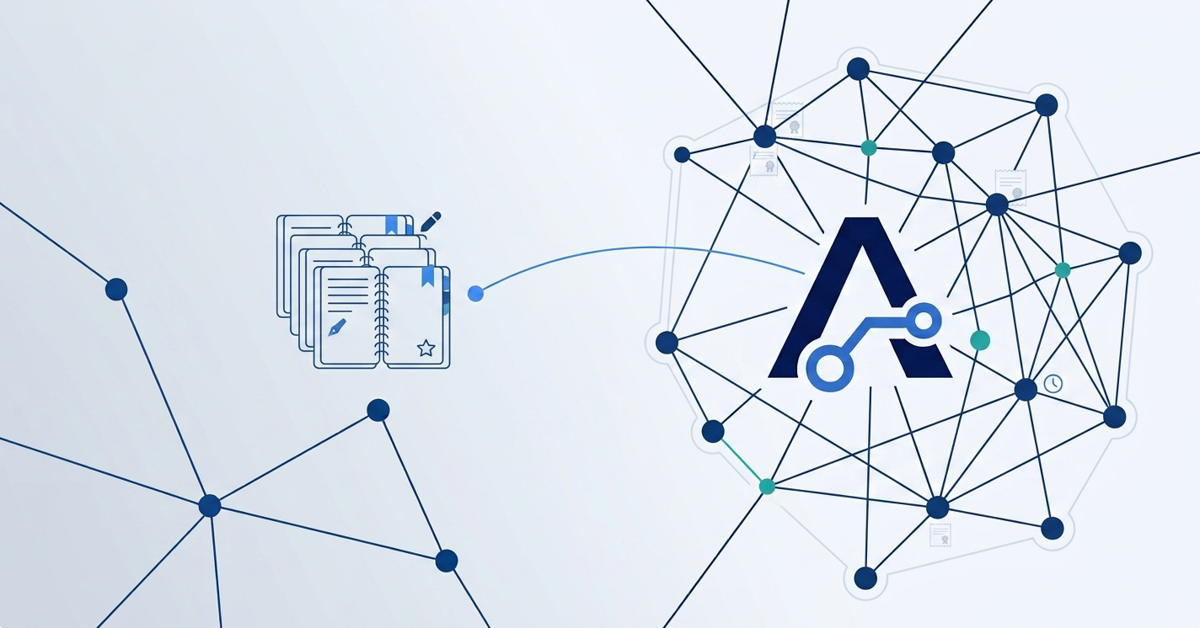
Most AI has memory now. Claude remembers, ChatGPT remembers, Gemini remembers. That wasn't always true. When we first built Memory Box, none of the assistants people used every day carried anything forward from one conversation to the next, context disappeared the moment the tab closed, and re-explaining yourself was just the cost of using AI at all. That part of the problem has largely caught up industry-wide since. What still hasn't caught up is what happens to that memory once it matters to more than one person: it stays locked inside whichever account and vendor it was built in, and it disappears the moment that person changes tools, changes roles, or leaves. Agent Anything is built around a different bet, one we started on before memory was the industry default: that context is worth keeping regardless of which model or vendor produced it, and that the organization, not the platform, should be the one who keeps it.
That starts with the Agent Anything Personal Assistant. Every person's Agent Anything Personal Assistant carries its own memory of their work, conversations, and context, the way a notebook accumulates over time rather than getting wiped clean each morning. Nothing in it is shared automatically. When something is worth the whole team knowing, the Personal Assistant drafts a short note, the person reads the exact words, and only their yes moves it into the Thinktank, the organization's shared memory, attributed to them from that point on.
Agent Anything sub-agents work the same way, just scoped differently. Instead of one Personal Assistant trying to be everything, an administrator can describe a specific job in plain language, and a dedicated agent gets built for it, with its own schedule and its own memory of what it's learned doing that job. A scheduling agent remembers the patterns in your calendar. A research agent remembers what it already checked last week so it doesn't start over. Each one keeps its own durable state, separate from the others, the same way a specialist on a team remembers their own corner of the work.
None of that memory is a black box. Every consequential action, a sub-agent writing to shared memory, a schedule running, an approval being granted, produces a signed receipt, so what happened is a quick lookup rather than a guess. The AI model behind any of this can change; the memory it built and the record of what it did do not disappear with it.
That's the part we think matters most. Tools get replaced. Models get upgraded. What an organization actually learns, if it's captured honestly and kept durable, is the one thing that should keep compounding regardless.