Turn one developer's AI setup into a team capability
Approved, auditable, repeatable, usable: AI development workflows a small team can share and keep as people, tools and models change.
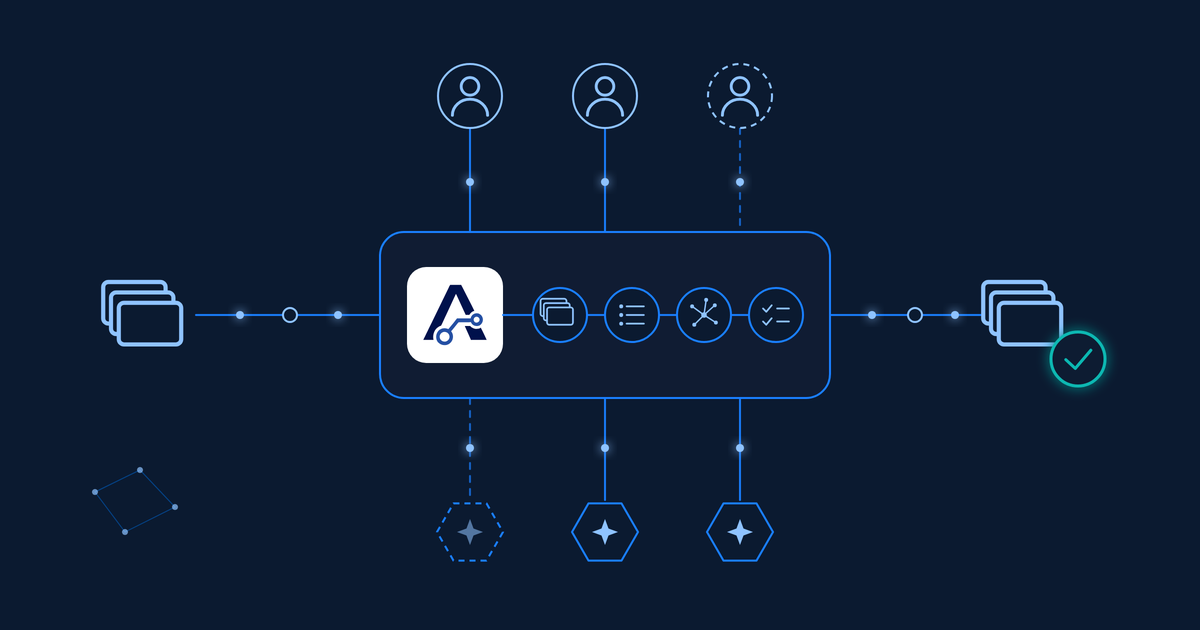
Many small development teams are already using AI for meaningful work. What we often find alongside it is a process that lives with one person or one inference provider. The work is good, and it holds together only while that person and that provider stay in place.
We help teams establish AI development workflows that are approved, auditable, repeatable and usable. The goal is to preserve the team's engineering knowledge, give people and agents a shared way to work, and keep that capability available as people, tools and models change.
Build on what is already working
It usually starts with one developer. They assemble a productive combination of coding tools, project instructions, model access and personal judgment. The setup helps them investigate problems, implement changes and test their work. Over time, they learn which instructions matter, which mistakes recur and when to intervene.
That is valuable engineering knowledge, and much of it stays scattered across a laptop, configuration files and private conversations.
The dependency becomes visible when another developer needs to use the setup, when its creator is unavailable, or when a model update changes how it behaves. The team then has to reconstruct the working method while continuing to deliver software.
We help teams capture that method and make it available in an approved working environment. The aim is to preserve the initiative that made the individual setup useful while giving the team a dependable foundation for using it together.
Make the workflow concrete
Approved, auditable, repeatable and usable should each describe everyday behavior.
Approved means the team has agreed on the tools, models, data access and engineering practices appropriate to the work. Developers know what they can delegate, which decisions require review and who can authorize a consequential action. The approved setup is versioned so changes can be reviewed and traced.
Auditable means a reviewer can connect the requested change to the environment used, the work performed, the checks run and the person who accepted the result. Acceptance criteria and the evidence used to evaluate them sit outside the building agent's control. The agent's completion summary is one input to review; separately captured results establish what actually passed.
Repeatable means another qualified developer can enter the environment and follow the same approved method. The project context, instructions, reusable skills and acceptance checks travel with the work. The test of repeatability is a successful handoff to someone who did not assemble the original setup.
Usable means a developer can choose a project, describe the task, collaborate with an agent or delegate part of the work, and review the result. Limits, questions and recovery steps are understandable. A small team needs a workflow it can operate while delivering software.
Teach the system your engineering practice
Your team already has expectations about good work: how errors are handled, how interfaces are designed, how changes are tested and when a question should come back to a person.
We help express those expectations as examples, instructions, reusable skills and executable checks. An agent can consult approved project knowledge, apply a method, receive criticism and propose a refinement. A senior engineer can improve the shared method once, and everyone's setup benefits.
Consider a change to an API's input validation. The working agent should have access to the team's conventions for error responses, the relevant architectural decisions and examples of acceptable tests. It produces the change and the supporting test results, then hands them to the agreed review process. If review uncovers a recurring mistake, the correction becomes a candidate update to the shared method.
The improvement loop is deliberate:
- Demonstrate the practice.
- Try it.
- Review the result.
- Capture the correction.
- Test the revised method.
- Approve the next version.
Qualification should include unfamiliar tasks and known-bad cases, so the team can see whether the checks reject unacceptable results.
This kind of teaching works through retained instructions and working materials. Those materials remain visible, editable and reviewable by the team.
Keep your options open as models change
A team's engineering practice should remain accessible independently of any particular model provider. Requirements, decisions, instructions, tests and work history belong in records the organization controls.
That makes it possible to evaluate a different model against the same expectations. Model choice becomes a qualification decision based on the role, the data involved and the quality of accepted results.
Different models still need different evaluation and may require adjustments to their tools or instructions. Moving between providers also requires an approved data-handling arrangement. A deliberate transition preserves those boundaries and gives the team evidence for the change.
The useful economic measure is cost per accepted change, including human review and rework. Token price alone leaves too much of the actual work out of the calculation.
Prove it with a handoff
The practical test for all of this is a handoff. A second developer should be able to pick up the workflow and reach an accepted result without the original expert's machine or private chat history. Once that works, the method belongs to the team.